




With the arrival of summer, the idea of relaxing poolside truly shines. But as homeowners consider adding or maintaining a pool, one crucial question surfaces: Do I have to have a pool fence? Understanding the regulations, safety concerns, and the peace of mind surrounding pool fencing can be challenging. This post will help homeowners navigate these issues to make informed decisions that prioritize safety while adhering to local laws.
Understanding Pool Safety Regulations
Most neighborhoods have laws concerning pool safety aimed at preventing accidental drownings and injuries. A significant number of states in the U.S. require pool fences as a critical safety measure. For example, 32 states have laws mandating pool safety features. Homeowners should check their local ordinances, as rules can differ extensively based on location.
Many regions require pool fences to meet specific standards, such as:
- A height of at least four feet
- Self-closing gates
- No climbable elements
These measures ensure that children and pets cannot easily access the pool area without supervision. Since safety regulations can differ, understanding local requirements is essential for determining if a pool fence is necessary.
The Importance of Child and Pet Safety
When thinking about installing a pool fence, the safety of children and pets should be the top priority. According to the Centers for Disease Control and Prevention (CDC), drowning is a leading cause of accidental death among children aged one to four, with over 350 fatalities reported annually in the U.S. A sturdy pool fence can greatly reduce these risks, acting as an effective barrier.
Pets can be just as curious as children. A pool fence can protect not only kids but also furry companions from potential accidents. Parents can relax and enjoy their time outdoors, knowing that both children and pets are safe while swimming or simply playing near the pool.
Types of Pool Fences
There are several options available for pool fencing, each offering distinct advantages and aesthetics. Here are four options to consider:
- Aluminum Fencing: Durable and low-maintenance, aluminum provides a sleek appearance while ensuring safety. Many aluminum fences come with a warranty of up to 20 years.
- Glass Fencing: Offering an unobstructed view, glass fences are both stylish and functional. This type is growing in popularity, especially among homeowners who prioritize design.
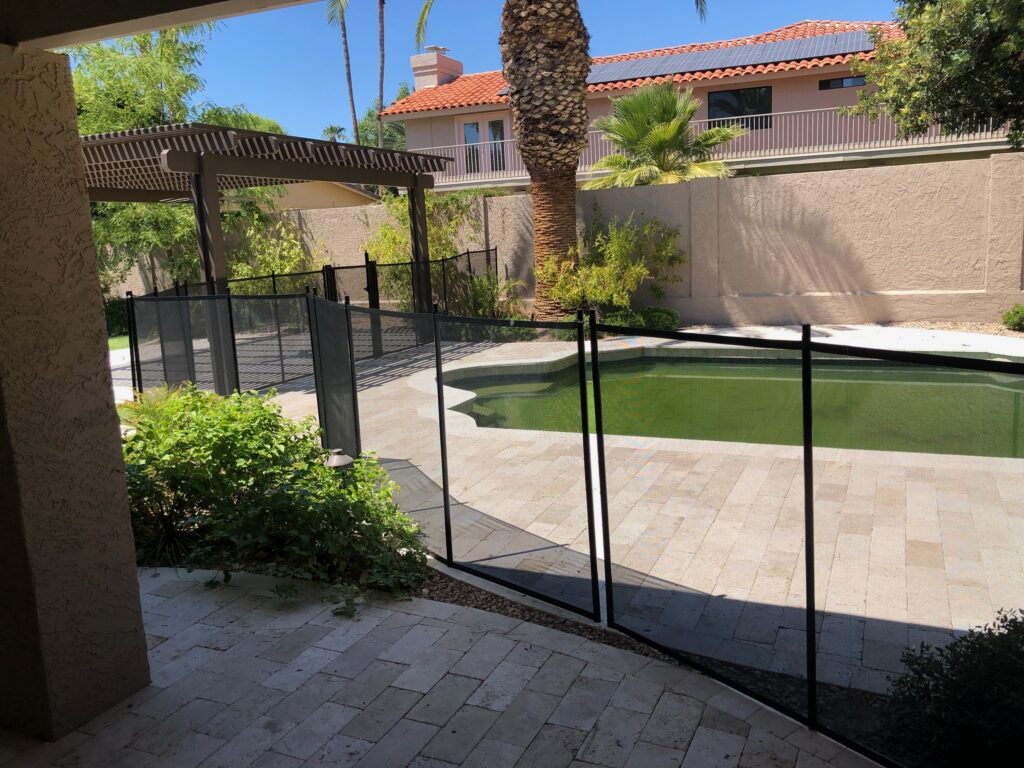
- Mesh Fencing: Lightweight and removable, mesh fences provide flexibility. They are easy to take down when the pool is not in use, making them a practical choice for many families.
- Wood Fencing: Known for its natural aesthetic, wood fences can beautifully integrate into landscapes. However, they may require more upkeep, including staining or sealing every two to three years.
Choosing the right type of pool fence depends on personal taste and safety needs. Whatever material you opt for, prioritize security above all.
Potential Cost Considerations
The investment for installing a pool fence can vary widely based on the material and size needed. Basic mesh options can start around $1,500, while high-quality glass panels may exceed $8,000. It’s wise for homeowners to gather multiple quotes from contractors to compare prices and understand what fits within their budget.
While the cost of a pool fence can seem high initially, consider the financial and emotional cost of potential accidents. The average medical expenses for drowning-related injuries can reach tens of thousands of dollars. Saving money by skipping the fence may ultimately lead to more expensive consequences.
Insurance and Liability Issues
In many situations, having a pool fence is not just about safety but also about liability. Insurance companies often have rules regarding pool safety. For instance, failure to comply with pool fencing regulations could complicate claims if an accident happens. It is crucial for homeowners to learn how their insurance policy may cover them related to pool safety.
Additionally, a fenced pool can lower homeowners’ insurance premiums by showing that they are taking proactive measures for safety. Discussing your insurance coverage with your provider can help you better understand how a pool fence might impact your rates.
The Benefits of Peace of Mind
Installing a pool fence not only secures children and pets but also provides peace of mind for homeowners. Knowing there is a reliable barrier allows families to enjoy their pool time without the anxiety of possible accidents.
Moreover, a pool fence can deter unauthorized access, making it a smart addition for homeowners who rent their property. The enhanced safety features can draw interest from potential renters or buyers, ultimately increasing the property’s value.
When Is a Pool Fence Not Necessary?
While many regions require pool fencing, there are exceptions. For example, if the pool is located indoors or the property has natural barriers such as high walls or steep terrain, a fence may not be obligatory. However, even in these cases, safety should always be a priority.
Consulting local regulations is crucial for determining whether an exception applies. Homeowners must weigh these exemptions against the potential risks of not having a barrier.
Making the Decision
Deciding whether a pool fence is needed involves several crucial factors, including local laws, safety concerns, and personal situations. It’s essential for homeowners to prioritize safety and liability within their homes. Installing a pool fence not only addresses legal requirements in many areas but also acts as a essential precaution against accidents.
Investing in a reliable pool fence can provide peace of mind, enhance property value, and create a safe space for families and friends to enjoy together. Homeowners should view a pool fence as more than just a requirement; it signifies a commitment to safeguarding their loved ones.